


bLOG

From Reactive to Predictive
The Evolution of City Cleanliness
Admin – 12/11/2025
For decades, waste management in Indian cities followed a simple routine. Bins would overflow, complaints would pour in, and trucks would rush to clear the streets. Supervisors tried to keep up, and sanitation workers carried the burden. The effort was immense, yet the results were limited, and the cycle repeated itself day after day.
Today, cities like Ahmedabad, Surat, Pune, and Jaipur face an even greater challenge. India generates over 160,000 tonnes of municipal solid waste every day, but less than half is scientifically processed. Plastic waste alone adds more than 9 million tonnes annually, much of it ending up in landfills or rivers. As urban populations grow, traditional systems built on fixed routes and manual checks struggle to keep pace.
The cycle shows that effort alone is not enough. To keep cities clean, systems need to be smarter, faster, and better prepared.
The Turning Point
The turning point came when cities began to recognize that managing waste was not only about cleaning what had already accumulated, but about predicting where and when it would appear next. This realization opened the door to a new way of thinking, one where technology, data, and human insight could work together to keep cities clean before problems surfaced.
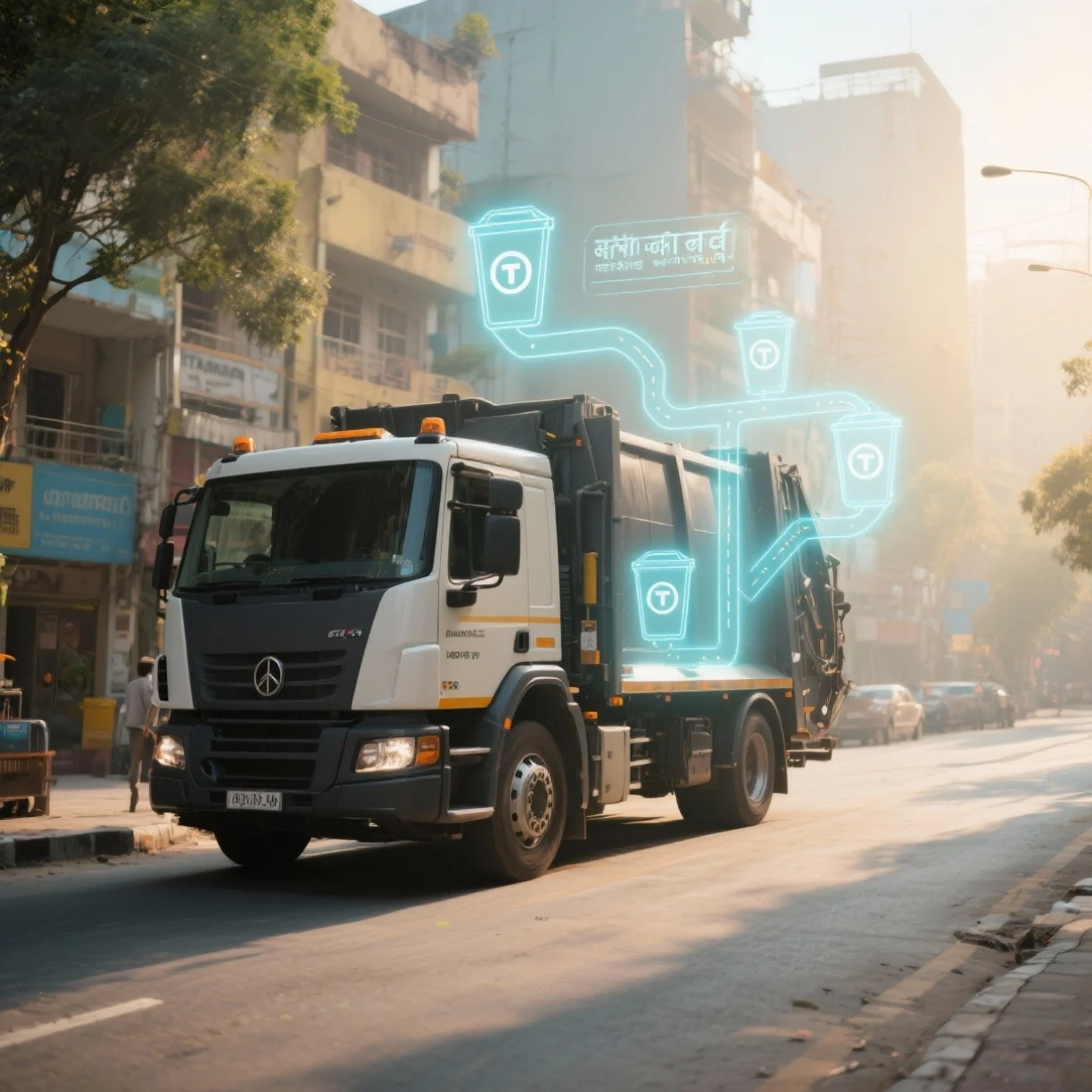
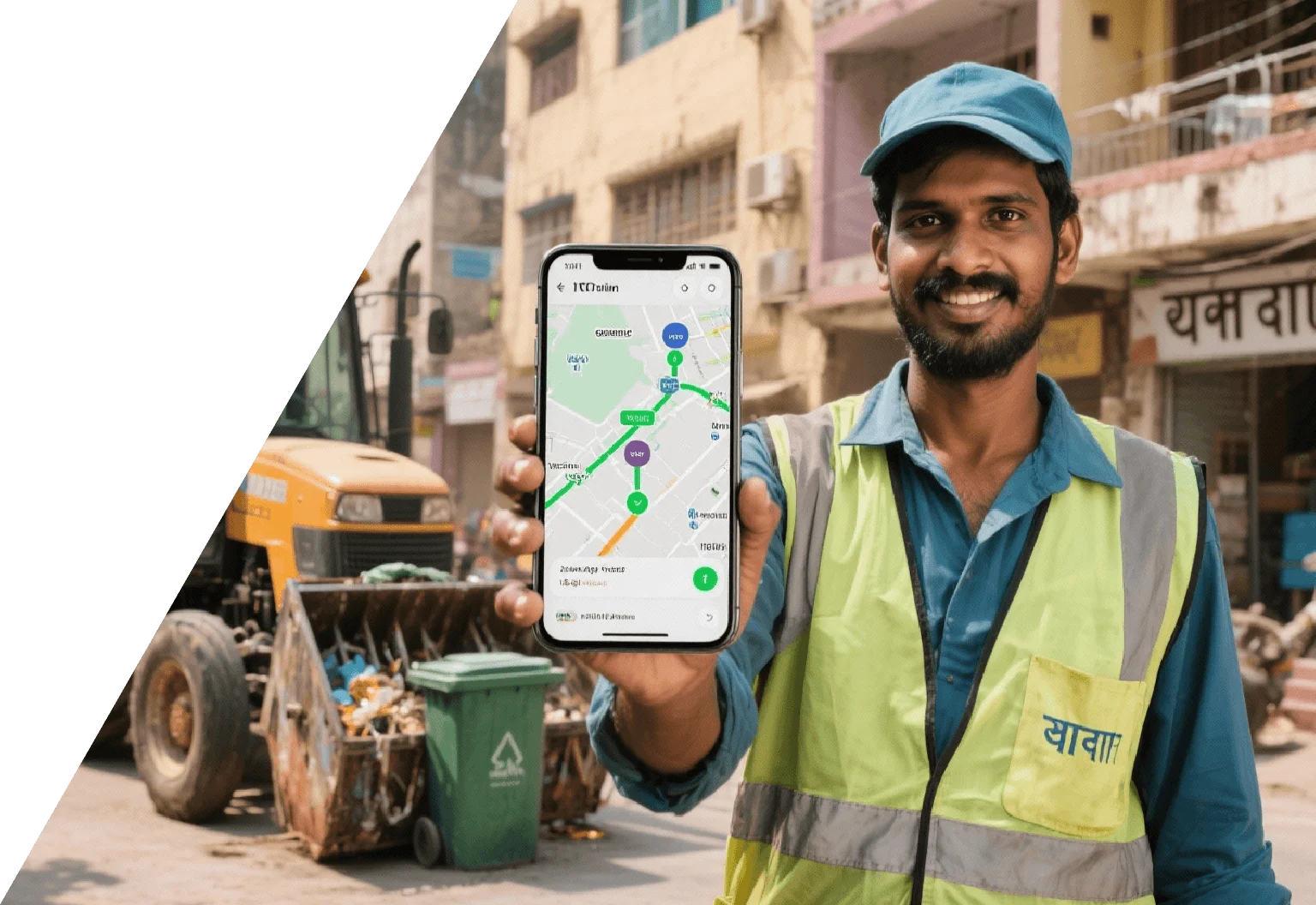
With this came the rise of predictive waste management. Bins equipped with sensors now send alerts when they are nearing capacity. GPS-enabled garbage trucks plan routes dynamically, guided by real-time data instead of rigid timetables. Central dashboards monitor patterns, forecast waste generation during festivals or rainy seasons, and help municipalities allocate resources more effectively.
This transformation marks a fundamental shift from cities reacting to overflow and complaints to cities that understand their own rhythm and plan accordingly. It is a shift from uncertainty to foresight, from manual oversight to intelligent coordination.
Across India, cities such as Ahmedabad, Surat, and Pune are already embracing this model. Predictive systems allow them to synchronize collection, reduce operational costs, cut emissions, and maintain cleaner streets with fewer disruptions. Municipal officials are no longer just managing waste; they are managing information that helps prevent it from becoming a problem.
The Human Impact
At the core of this transformation is not only technology, but people. Predictive systems are creating a profound change in how sanitation work is organized and valued. For workers, optimized routes mean safer conditions, less physical strain, and better time management. For citizens, timely collection and cleaner neighborhoods foster trust and participation in segregation and recycling efforts.
Data-driven insights also empower policymakers. Instead of waiting for complaints or breakdowns, they can identify problem zones, track efficiency, and design long-term interventions. The results are visible: cleaner streets, improved worker safety, and more satisfied residents.
The impact goes beyond hygiene. Cities that manage waste efficiently also see better air quality, fewer disease outbreaks, and reduced environmental hazards. The Ministry of Housing and Urban Affairs estimates that India’s waste could reach 165 million tonnes by 2030, making predictive management not just a smart solution but a necessary one.
Technology That Thinks Ahead
Technology becomes meaningful only when it serves people and cities effectively. This is where Amnex Infotechnologies contributes to the changing landscape of urban cleanliness. Through the integration of IoT networks, GIS-based monitoring, and advanced analytics, Amnex enables city administrations to act with precision and foresight.
In cities like Ahmedabad and several others across India, Amnex’s smart waste management solutions help municipal teams monitor bin fill levels, track fleets, and visualize waste trends in real time. Over 850 vehicles came online and 24,000+ garbage points were monitored daily, enabling city officials to act before bins overflowed, streamline collection routes, and ensure cleaner surroundings with fewer manual interventions. For a detailed look at how cities are using technology to make waste management smarter and more efficient, see our case study, Bin There, Done Smart: Journey to Intelligent Waste Management.
By combining human understanding with technological intelligence, Amnex demonstrates that predictive waste management is not just a future vision; it is an operational reality shaping Indian cities today.
The New Language of Clean Cities
Indian cities are entering a phase where cleanliness is no longer defined by how quickly waste is cleared, but by how rarely it piles up. Predictive waste management represents this maturity, a system where anticipation replaces reaction, and information replaces guesswork.
This evolution is not about machines replacing humans; it is about giving cities the awareness to understand themselves. A city that knows when and where its challenges will arise is a city prepared to thrive. As more urban centers adopt predictive systems, cleanliness becomes less of a struggle and more of a natural outcome of intelligent planning.
The move from reactive to predictive waste management reflects the broader transformation of India’s urban future. It tells a story of progress, one where technology empowers people, foresight replaces delay, and cities learn to stay one step ahead of their own growth.
The cities of tomorrow will not simply clean faster; they will think smarter.

You may also like