



bLOG

India’s Mining Sector Is Growing
What Comes Next?
Admin – 08/09/2026
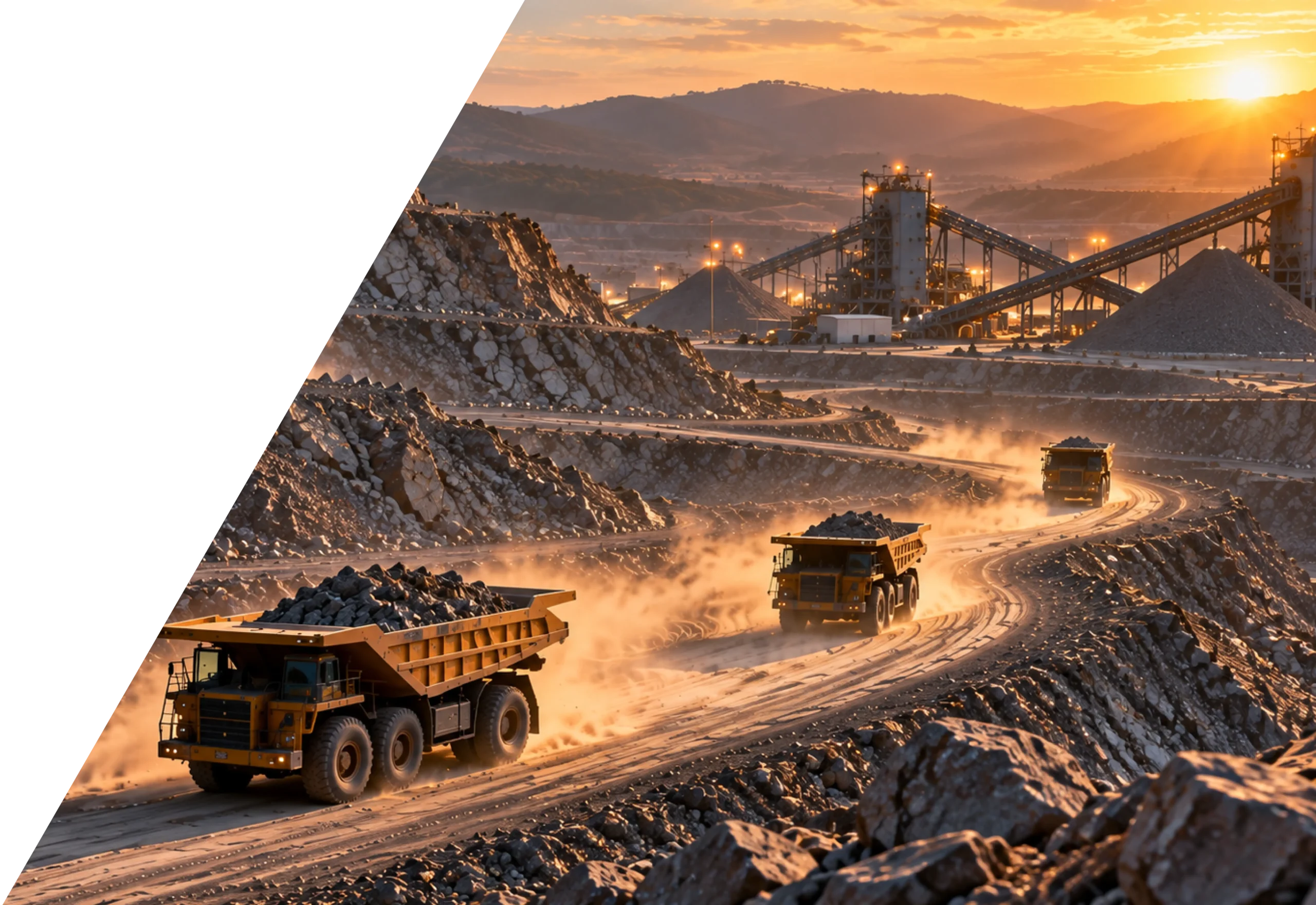
India’s mining sector is entering an important phase. The Mines and Minerals (Development and Regulation) Amendment Act, 2026 seeks to bring greater certainty and predictability to the fiscal framework around mineral rights and mineral-bearing lands, with the government positioning the reform as a step towards improving mining viability, encouraging investment and strengthening domestic mineral production.
The scale of the sector already reflects its growing economic importance. Revenue received by major mineral-producing States rose from ₹13,586 crore in FY 2013-14 to ₹82,366 crore in FY 2025-26, an increase of around 354%.
As mining activity grows, the focus increasingly shifts to what happens within the operations themselves. More assets, more movement and more activity create a greater need for organisations to understand what is happening across their operations and act on it effectively.
The challenge is not only capacity. It is control.
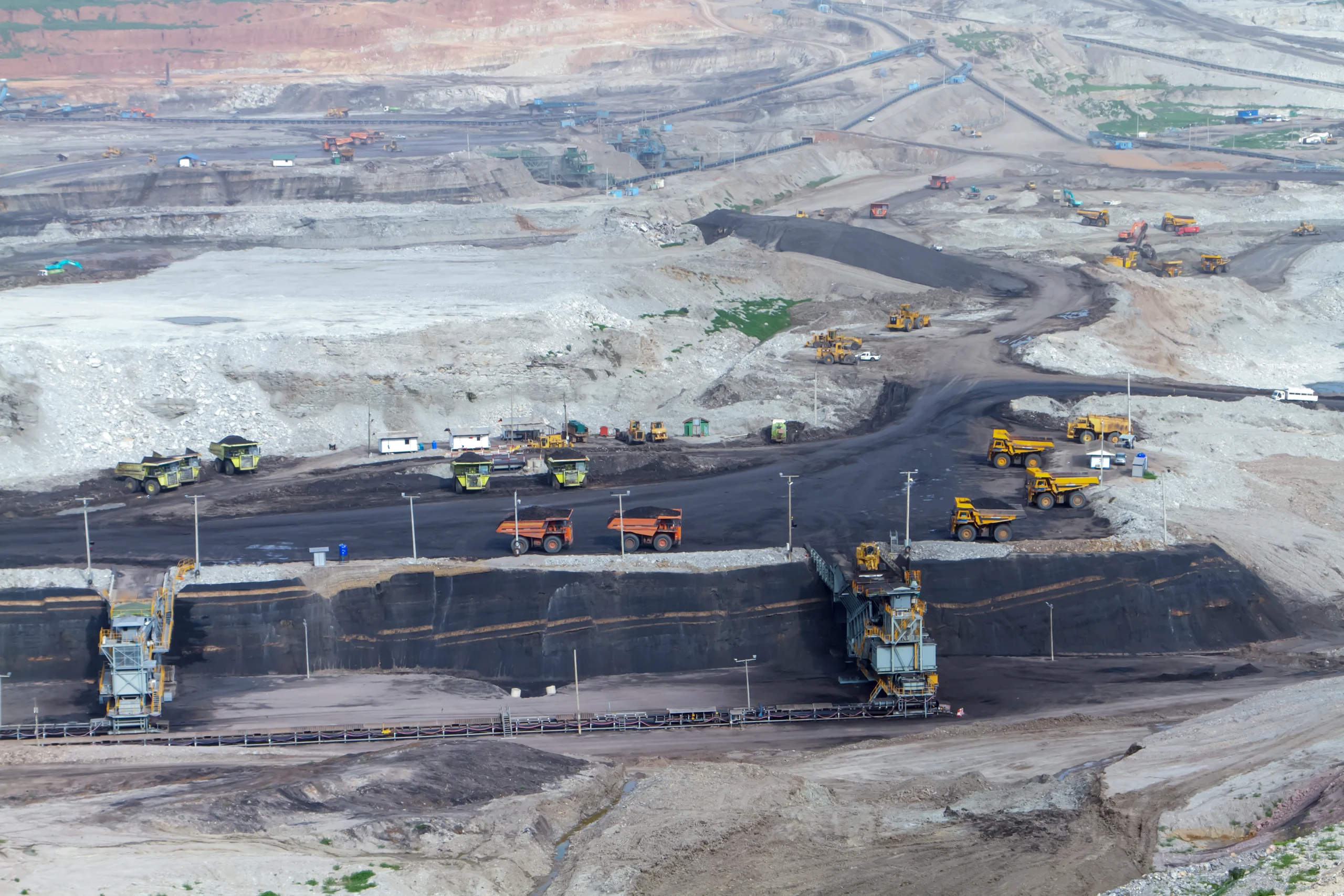
Mining performance depends on how well assets are utilised, how efficiently material moves and how quickly operational issues can be identified and addressed. As operations become larger, these factors become increasingly interconnected. A change in equipment performance can affect production, while an interruption in movement can influence dispatch and downstream activity.
That makes operational clarity increasingly important.
Operational clarity is not simply having more information. It is having a connected view of what is happening across the operation and being able to use that understanding to make better decisions.
This is where Amnex brings together technology and domain expertise. Its Resources practice combines real-time monitoring, dynamic dispatch, predictive maintenance, resource optimisation, mineral movement and operational analytics to help organisations manage complex mining environments.Across its mining deployments, Amnex works with 1,000+ mining vehicles, while its wider Resources deployments monitor more than 275,000 metric tonnes of minerals every day across 1,993 mines and track more than 80,000 mineral-carrying vehicles each day.
Protect. Predict. Prevent. The focus is not only on monitoring what a machine is doing, but on using that visibility to protect critical assets, predict potential disruptions, and prevent avoidable operational losses.
Turning operational clarity into results
The value of a connected view becomes clearer when it translates into measurable performance.
In a large-scale iron ore mining operation, limited fleet visibility, equipment breakdowns, high fuel consumption and gaps in safety monitoring were affecting productivity. Amnex implemented an integrated fleet management system across more than 300 mining vehicles, bringing real-time fleet visibility and equipment-health monitoring into a unified operating environment. The implementation resulted in a 40%+ reduction in unplanned downtime and a 30% improvement in fleet utilisation.
The significance of the outcome lies beyond the technology itself. With a clearer view of fleet activity and equipment condition, the operation could identify issues earlier, use its assets more effectively and reduce the operational losses associated with downtime.
This is where technology becomes valuable in mining. Not when it simply digitises an existing process, but when it improves the way the operation performs.
Digitise. Optimise. Dominate. The real advantage comes when digital systems move beyond record-keeping and become part of how decisions are made and operations are improved.
What Electrification Changes
The next shift in mining is already changing what operational performance looks like. As EV HEMMs (Electric Heavy Earth Moving Machinery) begin to enter mining fleets, the conversation moves beyond the vehicle itself to the infrastructure and energy systems that support it.
The Grid to Mine perspective brings another layer of operational complexity. Charging infrastructure, energy availability, equipment utilisation, and production schedules now need to work together. A fleet can only perform as effectively as the system supporting it.
This makes connected data even more important. Understanding when equipment needs to charge, how energy is being consumed and how availability affects production can help mining organisations make better operational decisions.
The future of mining will not only be about moving more material. It will be about making increasingly connected systems work together more efficiently.
The view has to extend beyond the mine
Operational clarity does not stop at the extraction point. Mineral movement, dispatch and compliance involve a wider network that can span vehicles, checkpoints, weighbridges and multiple stakeholders.
Amnex extends its mining capabilities into this wider ecosystem through digital systems that support mineral movement, monitoring and governance. The approach is the same: connect fragmented processes so that organisations can maintain a clearer view of activity across the resource lifecycle.
This is where organisations can make better use of data. Not simply by collecting more information, but by finding patterns, identifying bottlenecks and understanding where operational performance can be improved.
Making growth work
The MMDR Amendment Act, 2026 provides a timely backdrop for India’s evolving mining sector. But the value of a stronger policy environment will ultimately be reflected in how effectively mining organisations can operate, manage and scale their assets.
For Amnex, that means helping resource-intensive organisations create greater operational clarity across the environments in which they work. By connecting monitoring, optimisation and decision-making, technology can help turn a growing mining operation into a more controlled and productive one.
As mining becomes more connected, the ability to make sense of what is happening across the operation will become just as important as the ability to extract what lies beneath it.
India’s mining sector has the potential to create more value from its resources. The ability to manage increasingly complex operations will determine how much of that potential becomes performance.
Mining growth creates the opportunity. Operational clarity turns it into performance.
You may also like